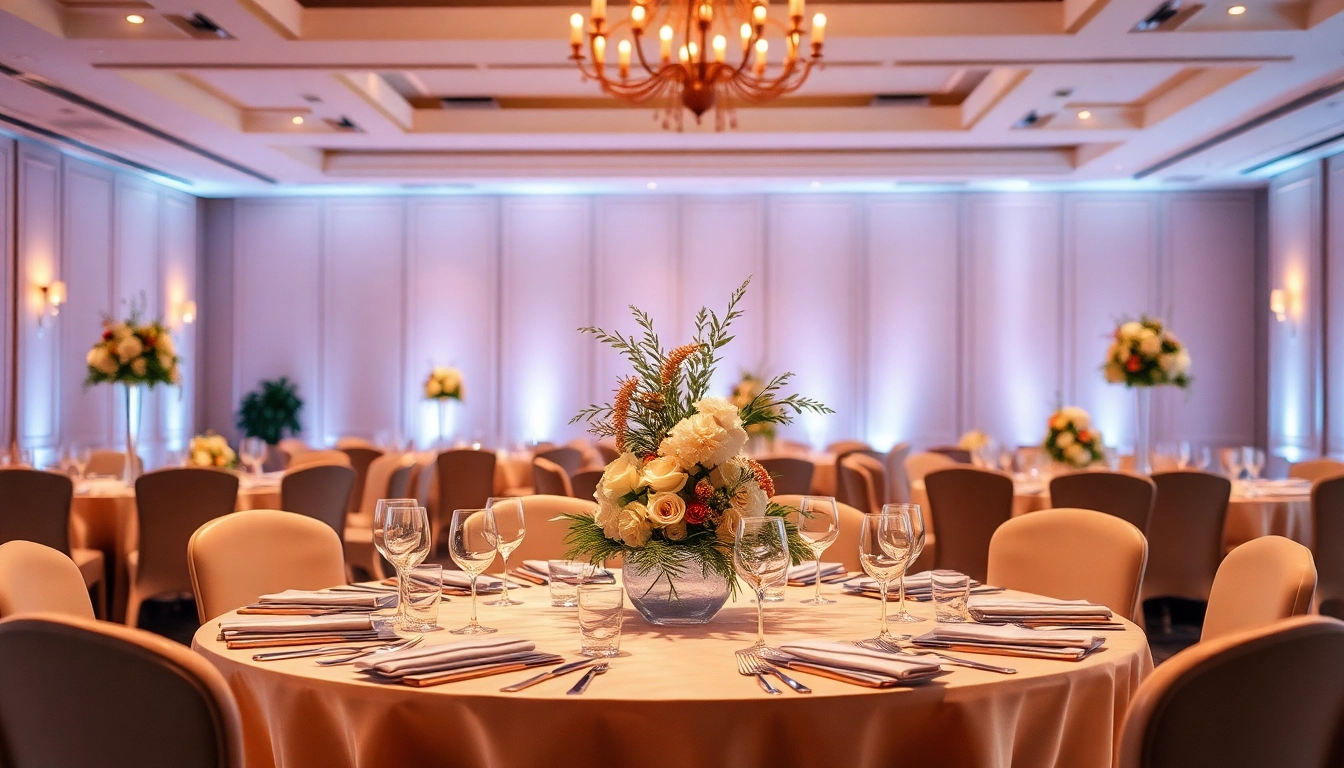
Understanding Event Hire Essentials
Event hire plays a crucial role in the successful execution of gatherings, whether they’re corporate meetings, weddings, or private parties. From selecting the right equipment to ensuring flawless logistics, event hire services offer indispensable support. This article provides comprehensive insights into effective event hire management to create memorable occasions. It’s vital that your event materials and resources are reliable; therefore, exploring reputable event hire providers, such as https://www.casablancahire.co.uk/, can significantly simplify this process.
Key Services Offered
Event hire companies typically provide a multitude of services designed to streamline the event planning process. Key offerings include:
- Furniture Rental: Essential seating, tables, and decorative furnishings tailored to your event theme.
- Audio-Visual Equipment: High-quality sound systems, projectors, and lighting fixtures to enhance the event experience.
- Catering Equipment: Dishes, utensils, buffet setups, and bar supplies vital for food service.
- Décor Items: Custom decorations, floral arrangements, and centerpieces that align with your vision.
- Tent and Canopy Rentals: Solutions for outdoor events to protect guests from the elements.
Planning Your Event
Every successful event starts with meticulous planning. Begin by defining your event’s purpose and target audience, which will help shape every subsequent decision. Following this, create a detailed timeline that outlines every aspect of the event, from booking venues to organizing transportation for guests. Importantly, budget constraints need to be established early on to help guide your choices on services and rentals.
Benefits of Event Hire
Hiring services for your events offers numerous advantages:
- Cost-Efficiency: Renting items can be more budget-friendly than purchasing.
- Access to Quality: Professional-grade equipment elevates the overall quality of the event.
- Expert Support: Experienced event hire companies offer invaluable assistance and advice.
- Time-Saving: Streamlined processes allow you to focus on other important event aspects.
Choosing the Right Venue
Choosing the right venue is a critical step in event planning, as the location greatly impacts the overall experience. Various factors need consideration to ensure the venue meets your event’s unique requirements.
Venue Types for Different Events
Different events call for different venues. Popular options include:
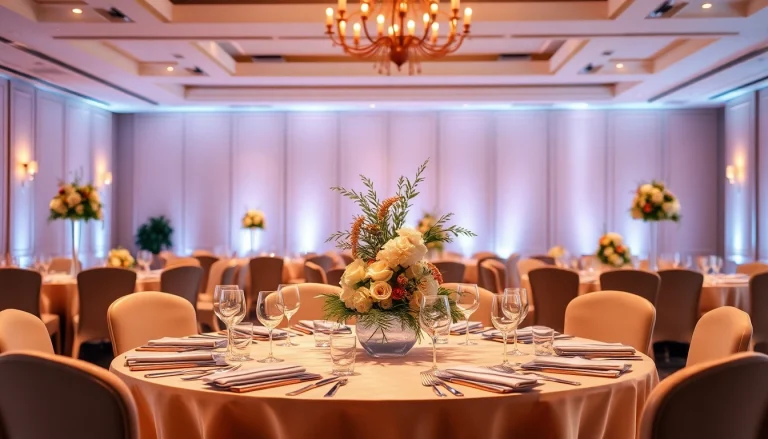
- Banquet Halls: Ideal for weddings and formal gatherings.
- Conference Centers: Perfect for corporate retreats and large meetings.
- Outdoor Spaces: Great for festivals, fairs, or family reunions.
- Unique Venues: Consider art galleries or historic buildings to add character to your event.
Factors to Consider for Selection
When selecting a venue, consider the following:
- Location: Accessibility and convenience for guests.
- Amenities: Check for necessary facilities, such as toilets and parking.
- Ambiance: The venue’s decor should align with your theme.
- Availability: Ensure your preferred date is available.
How to Assess Venue Capacity
Assessing venue capacity involves understanding how many guests can comfortably fit within a space without crowding. You should take into account:
- Event Type: Different setups may require specific space allocations, for example, networking versus seated dinners.
- Safety Regulations: Always adhere to local codes regarding occupancy limits.
- Set-Up Requirements: Include space for catering services, entertainment, and exhibitor booths when calculating capacity.
Designing Your Event Space
Effective design of your event space can greatly influence the guest experience, leading to a more memorable occasion.
Decor Ideas for Various Themes
Decor is integral in setting the mood for your event. Consider the following theme ideas:
- Rustic: Use burlap table runners, mason jar centerpieces, and wooden accents.
- Modern: Incorporate metallic colors, geometric shapes, and minimalist designs.
- Vintage: Use antique furnishings, lace, and soft colors to achieve a nostalgic atmosphere.
Seating Arrangements that Work
The seating arrangement is vital in encouraging interaction and comfort among guests. Popular options include:
- Theater Style: Ideal for presentations, focusing on visuals.
- Round Tables: Promote conversation during meals.
- Cocktail Setup: Perfect for networking events, using high tables.
Lighting Solutions for Ambiance
Lighting profoundly impacts the event atmosphere. Creative lighting options include:
- Fairy Lights: Create a magical ambiance for a romantic setting.
- LED Up-lighting: Highlight architectural features of the venue.
- Spotlights: Direct attention to speakers or presentations.
Engaging Your Guests
Guest engagement is an essential component that can distinguish a good event from a great one. Interactive elements are crucial in creating memorable experiences.
Entertainment and Activities
Providing entertainment fosters a lively atmosphere. Options include:
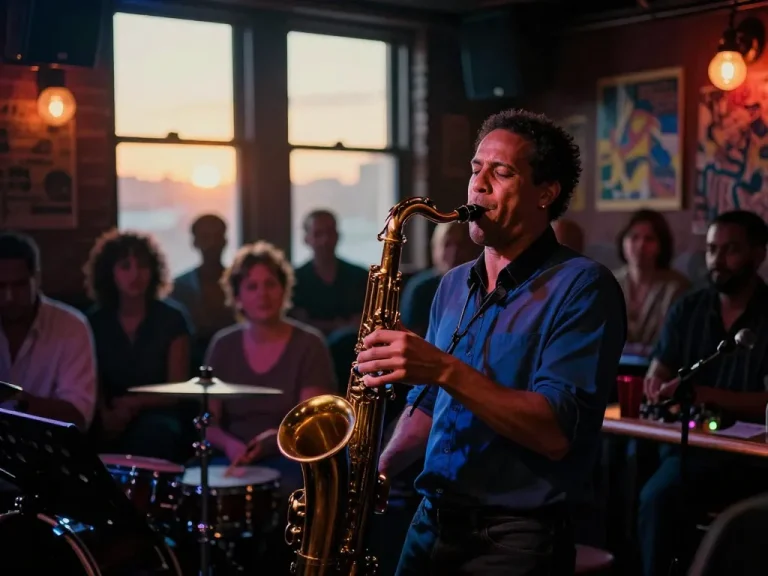
- Live Music: Professional bands set an uplifting tone.
- Games: Fun activities can be tailored to different audiences.
- Workshops: Allow guests to partake in engaging experiences.
Creating a Comfortable Atmosphere
Comfort is key. Ensure there are adequate seating areas, climate control, and noise control measures. Providing refreshment stations can also enhance guest comfort throughout the event.
Interactive and Digital Options
Today’s technology allows for exciting interactive opportunities, including:
- Live Polling: Enables guests to participate in real time with immediate results.
- Social Media Walls: Display live feeds from event-specific hashtags to encourage sharing.
- Virtual Reality Experiences: Innovative engagement methods that can leave a lasting impression.
Measuring Event Success
To understand how well your event was received, you need to evaluate its success through various metrics.
Key Performance Indicators
Establish clear KPIs before the event to keep track of success indicators. Some KPIs include:
- Attendance Rates: Compare actual attendance to registrations.
- Engagement Metrics: Analyze interaction levels and social media reach.
- Budget Adherence: Track expenses against the budget plan.
Post-Event Surveys
Collect feedback through post-event surveys. Focus on participants’ experiences, logistics quality, and overall satisfaction. This information is invaluable for refining future events.
Feedback and Improvement Strategies
Utilize feedback to identify areas of improvement. Create an actionable plan based on insights gained to enhance future event offerings, ensuring growth and adaptation.
Frequently Asked Questions
1. What is event hire?
Event hire involves renting equipment and services needed for hosting events, like furniture, audio-visual components, and more.
2. How do I choose a venue?
Consider factors such as location, capacity, amenities, and ambiance to ensure your venue fits your event’s requirements.
3. Why is decor important for events?
Decor sets the tone and atmosphere of an event, creating a memorable experience for guests.
4. What can I do to engage guests?
Offer interactive activities, entertainment, and convenient seating arrangements to keep guests engaged throughout the event.
5. How do I measure event success?
Utilize key performance indicators, collect feedback through surveys, and analyze engagement metrics to assess your event’s success.
About the Author